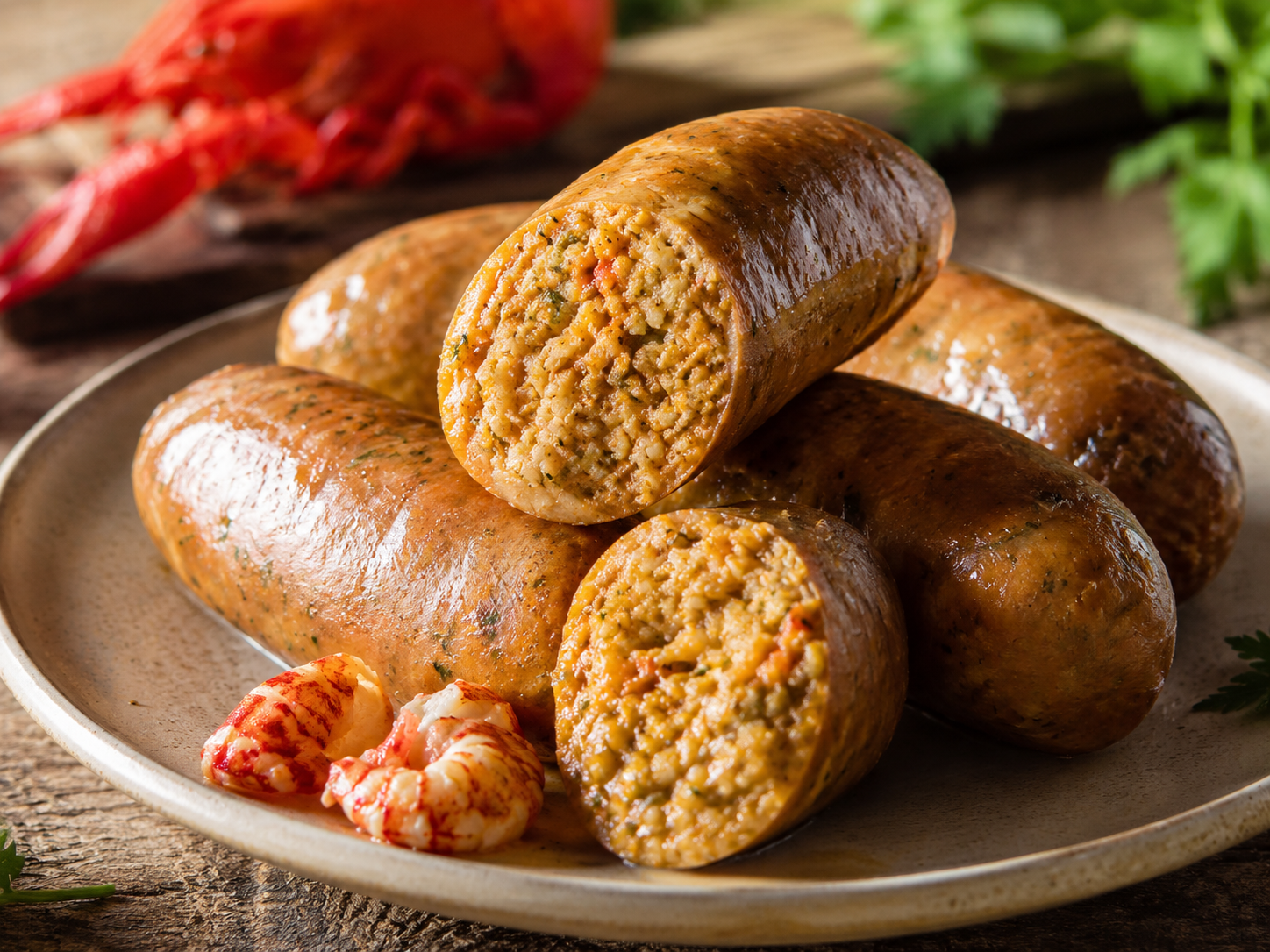
Crawfish boudin
Crawfish replaces or supplements pork as the defining protein. Recipes may be buttery, herb-forward, peppery, or rich with crawfish flavor.
Explore Crawfish boudin
Boudin changes from maker to maker, but the differences become easier to understand when you sort them by protein, seasoning, smoke, preparation, and recipe.
Some names describe a true variety, while others describe one characteristic of the link. This guide separates those ideas so you can compare Louisiana boudin without treating every recipe difference as a formal type.
A useful taxonomy
Pork is traditional. Crawfish, shrimp, and alligator create distinct Louisiana varieties.
Mild, peppery, or spicy describes heat and flavor, not a different base preparation.
Fresh and smoked boudin can share a filling while differing in casing, aroma, and finish.
Links, balls, and stuffed preparations describe how the filling is shaped and served.
The reference point
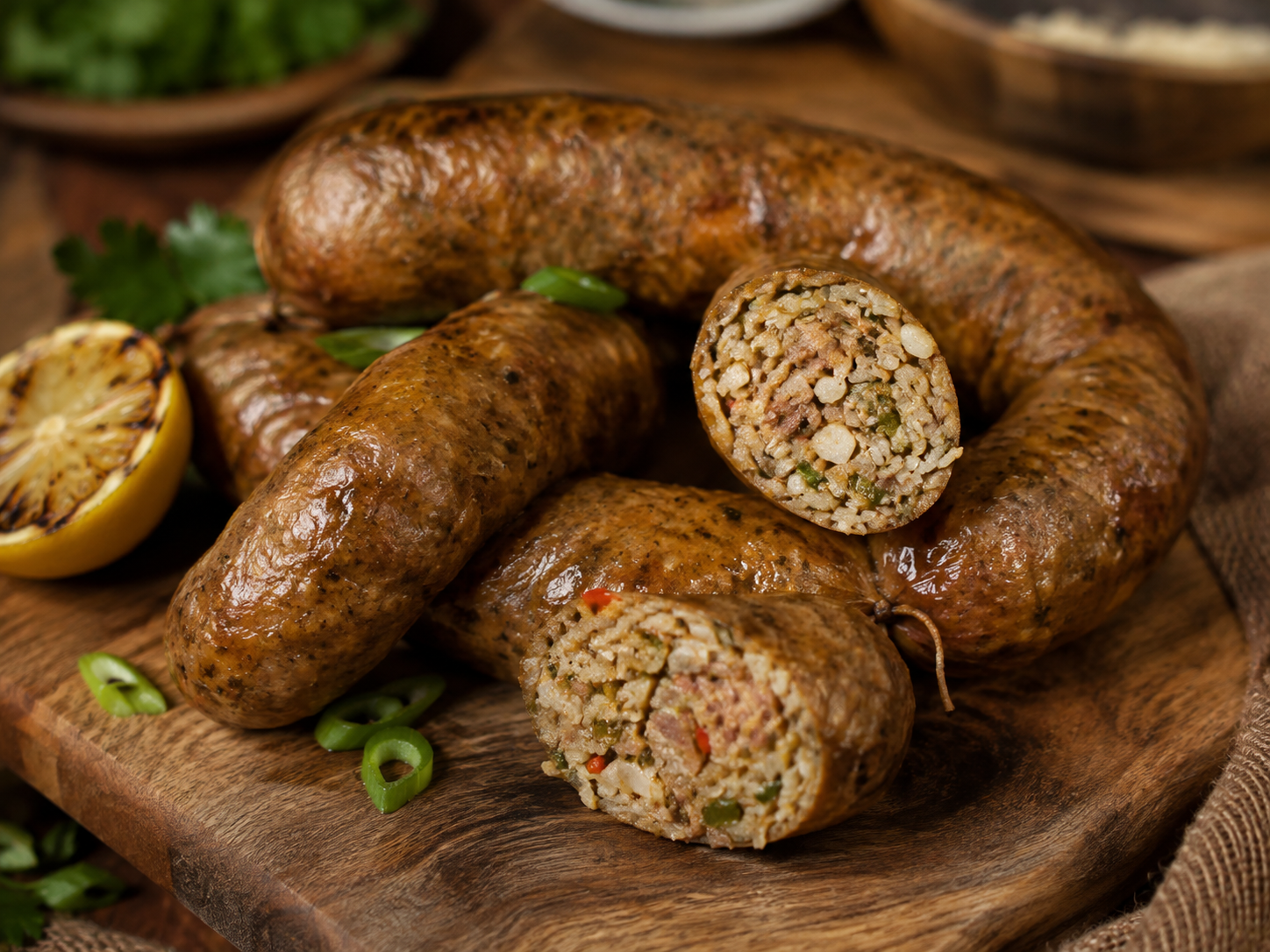
In South Louisiana, unqualified “boudin” usually means pork boudin: cooked pork, rice, broth, onion, herbs, and pepper stuffed into a casing. The balance is never fixed. One maker may emphasize meat, another rice, liver, green onion, black pepper, or moisture.
Pork boudin is the foundation for comparison, not a single standardized recipe. Its dedicated guide will own the deeper history and regional variations when that page is published.
Protein-based varieties
Crawfish replaces or supplements pork as the defining protein. Recipes may be buttery, herb-forward, peppery, or rich with crawfish flavor.
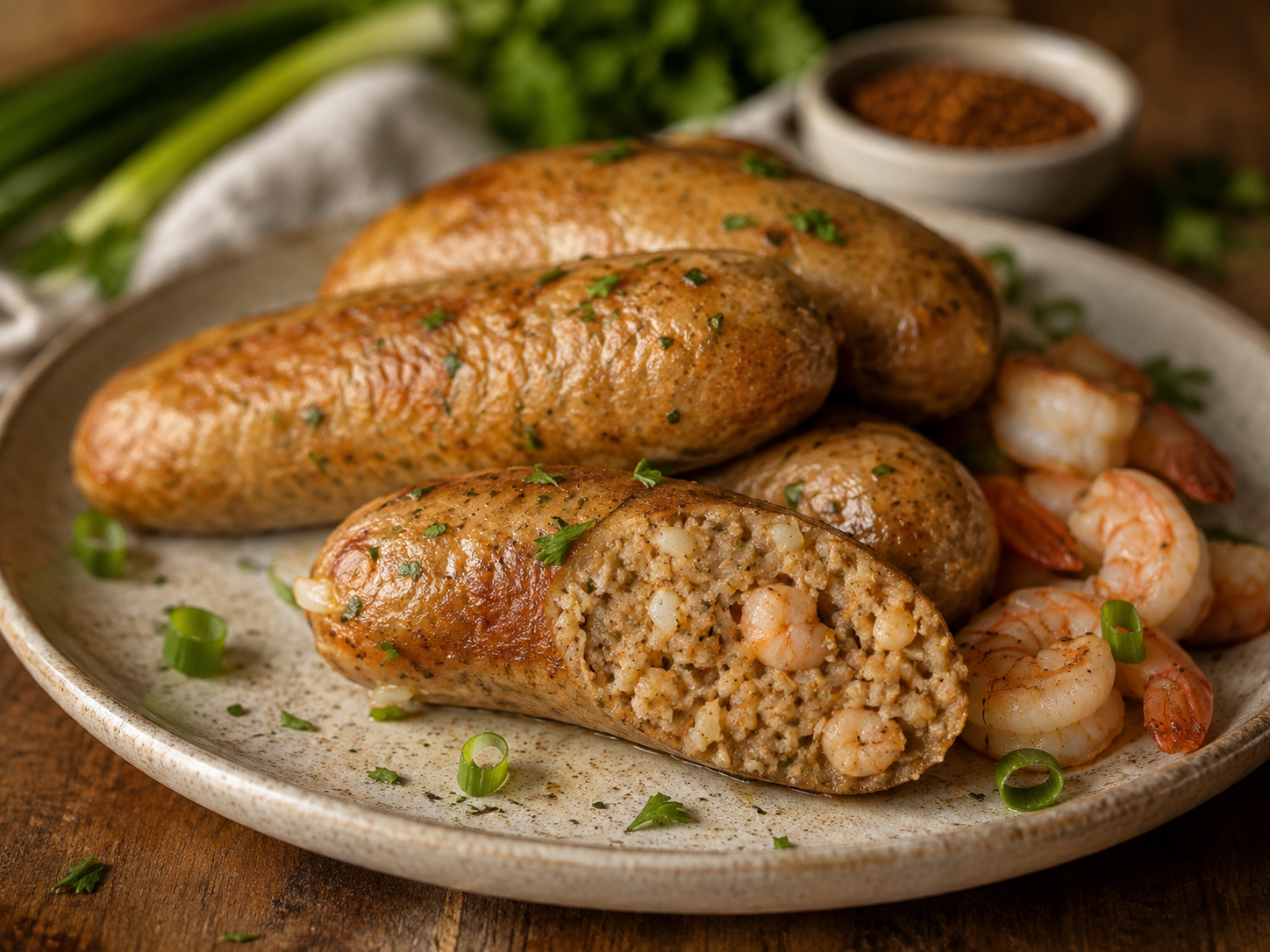
Explore Crawfish boudinShrimp boudin pairs rice and aromatics with a milder seafood profile. The seasoning often carries more of the flavor than smoke or casing.
Explore Shrimp boudinAlligator boudin uses a lean Louisiana protein, usually supported by pork fat, rice, and assertive seasoning to keep the filling moist and balanced.
Explore Alligator boudin“Seafood boudin” is a useful umbrella term, but it is not one recipe. Crawfish and shrimp deserve separate treatment because the proteins, moisture, texture, and seasoning behave differently.
Style and preparation
“Hot boudin” and “spicy boudin” describe a stronger pepper profile. Heat can be added to pork or seafood boudin, so it is a seasoning style rather than a separate protein category.
Explore spicy boudinSmoke deepens aroma and firms the casing. The filling may still be traditional pork boudin, but time, wood, and temperature create a noticeably different finish. A dedicated guide is planned but is not linked until it is published.
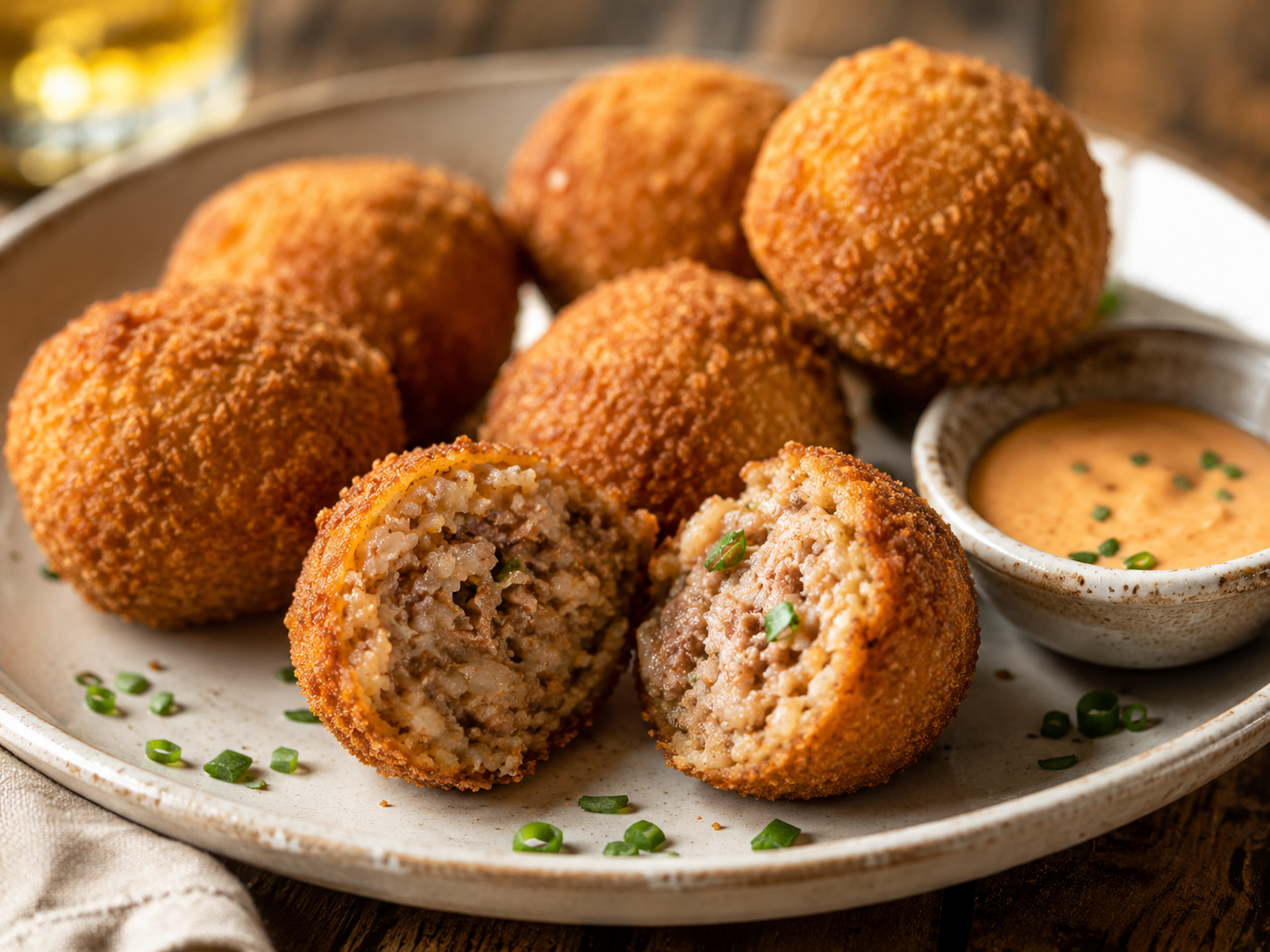
Boudin filling is shaped, breaded, and fried instead of served in a casing. The crisp shell and soft center make this a true preparation form, and some versions add cheese or peppers.
Explore boudin ballsNot formal types
These differences explain why two links with the same name can taste and feel completely different.
Some links are pork-forward and coarse; others are softer and more rice-forward.
Grind, mixing, and moisture can make the filling loose, creamy, chunky, or firm.
Black pepper, cayenne, green onion, parsley, garlic, and regional spice blends shift the flavor.
Broth and fat determine whether the filling is juicy and soft or comparatively dry and dense.
Some traditional recipes use enough liver to be noticeable; others use little or none.
A tender fresh casing, firmer smoked casing, and the amount of smoke all change the experience.
A map, not a rulebook
Regional habits, family recipes, equipment, and the maker's hand shape every batch. Historic styles such as boudin rouge exist, but they are uncommon and should not be treated as equal to the everyday categories above. The best comparison starts with what is in the filling, then notices texture, seasoning, moisture, casing, and smoke.